The history of the guitar is an enchanting tale that intertwines culture, innovation, and artistry. The instrument we acknowledge at the moment because the guitar has evolved considerably over the centuries, however its origins can be traced again to ancient civilizations. The first guitar-like devices emerged thousands of years ago, laying the groundwork for what would in the end become one of the preferred musical devices in the world.
The earliest ancestors of the guitar will be present in historic Mesopotamia, where stringed instruments such as the lyre and the lute had been generally performed. These early devices featured a hollow body and strings that were plucked or strummed, very similar to the trendy guitar. The lyre, for instance, was a prominent instrument in historic Greece and was used in various musical traditions, from folks to classical. It is believed that the design and concept of those early stringed devices influenced the development of the guitar.
As we move by means of history, we see the evolution of the guitar-like instruments in different cultures. In the Middle Ages, the European lute gained popularity, characterized by its rounded back and fretted neck. The lute was broadly utilized in each solo and ensemble performances and grew to become a staple in Renaissance music. Its design and enjoying technique laid the groundwork for the trendy guitar, as musicians started to adapt and modify the instrument to go well with their needs.
By the 15th and 16th centuries, the guitar started to take its recognizable type. The Spanish guitar, or "guitarra," emerged throughout this interval, featuring a smaller body and a more pronounced waist. This design allowed for better ease of playability and a more intimate sound, good for accompanying singers and dancers. The guitar's popularity surged in Spain, where it turned an integral a part of the country's wealthy musical heritage, notably in flamenco music instrument.
The evolution of the guitar continued into the Baroque interval, the place it began to realize prominence in European classical music. The Baroque guitar featured five programs of strings, which had been pairs of strings tuned in unison or octaves. This interval saw the rise of notable composers and virtuoso guitarists who wrote music specifically for the instrument, additional solidifying its place within the musical world. The Baroque guitar was often performed alongside other instruments, creating wealthy harmonies and textures in ensemble settings.
As the easy guitar songs continued to evolve, the Classical guitar emerged within the nineteenth century, characterized by its six single strings and a larger body. This new design allowed for a wider vary of dynamics and tonal qualities, making it suitable for solo performances. The Classical guitar turned the instrument of selection for many composers, including the likes of Francisco Tárrega and Andr?(C)s Segovia, who contributed considerably to the guitar's repertoire and method. Their efforts helped elevate the guitar to a respected place throughout the classical music neighborhood.
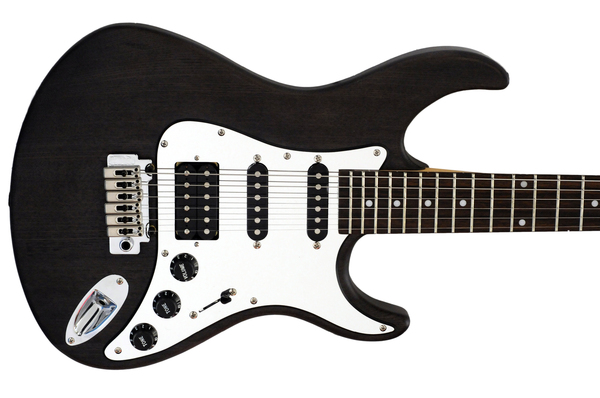
The twentieth century marked a big turning point for the guitar, significantly with the appearance of the electric guitar. The electric 15 guitar speaker was developed in the 1930s, permitting musicians to amplify their sound and discover new sonic possibilities. This innovation revolutionized the music trade and gave birth to numerous genres, together with rock, jazz, blues, and pop. Iconic musicians similar to Jimi Hendrix, Eric Clapton, and Chuck Berry pushed the boundaries of the electric guitar, showcasing its versatility and expressive potential.
The electric guitar's emergence also led to the event of assorted playing methods, comparable to fingerpicking, slide guitar, and tapping, which expanded the guitar's musical vocabulary.
If you loved this report and you would like to acquire additional info relating to guitar notes kindly check out our own site.


 b chord guitar
 Report this page